Blog
Choosing a Portable Generator: A UK Buyer’s Guide

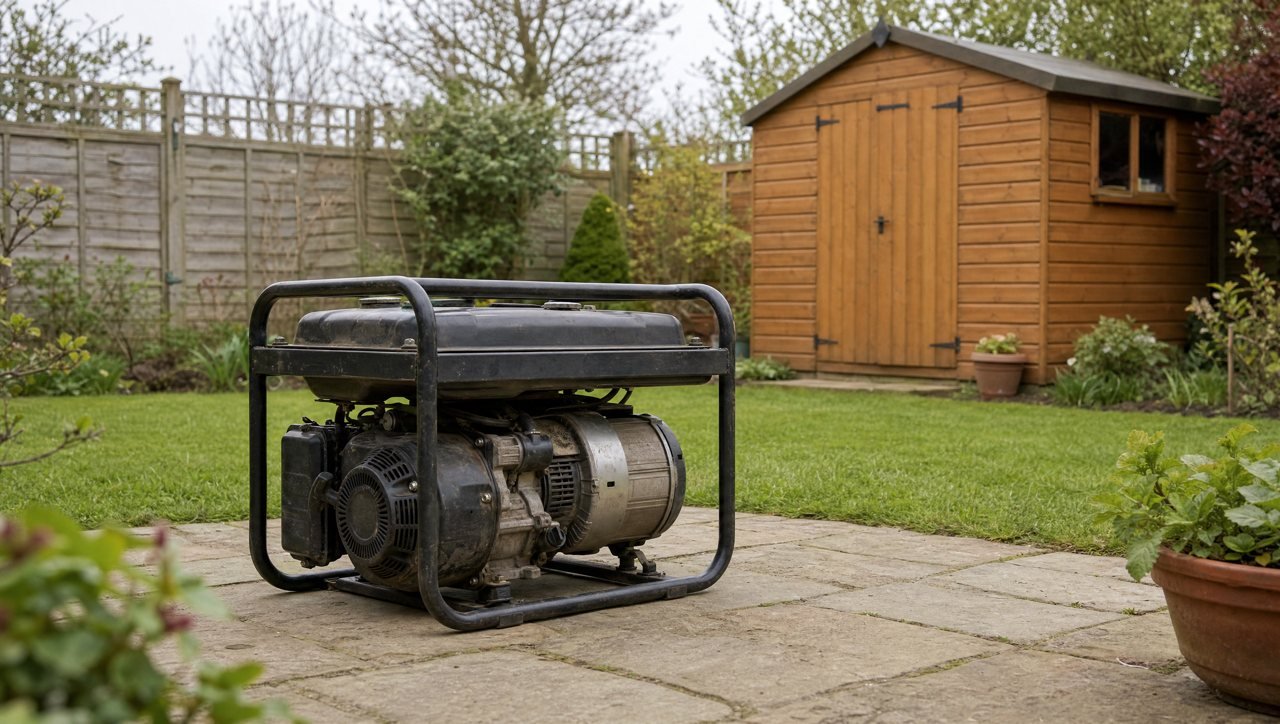
A portable generator is one of those purchases you rarely think about until you actually need it. Whether you want backup power for the occasional storm-related outage, a reliable supply for camping and caravanning, or a way to run tools on an allotment or building project far from a socket, the right model makes all the difference. The wrong one leaves you with a noisy machine that either can’t cope with your appliances or is far heavier and thirstier than you needed. This guide walks UK homeowners through everything that matters, from sizing the wattage correctly to fuel choices, safety and the small details that separate a good buy from a frustrating one.
What do you actually need a generator for?
Before looking at any specifications, be honest about how you’ll use the machine. The job dictates almost every other decision, so it pays to picture a realistic worst-case scenario rather than an average one.
- Emergency home backup: Keeping a fridge-freezer, some lighting, the broadband router and perhaps a heating control circuit running during a power cut.
- Leisure use: Camping, caravanning, festivals and boating, where quiet running and light weight matter most.
- Work and projects: Powering tools, mixers or lighting on sites and allotments without mains access.
- Events and hobbies: Market stalls, garden parties and outdoor catering where a clean, steady supply is helpful.
If you only ever need to keep a few essentials alive, a modest unit will serve you well. If you want to run power-hungry appliances or several things at once, you’ll need to size up accordingly.
Understanding wattage: starting watts vs running watts
Wattage is the single most important figure, and it’s where most buyers go wrong. Every generator has two ratings: running watts (the power it supplies continuously) and starting watts (a brief surge it can deliver for a few seconds). Many appliances with motors or compressors, such as fridges, freezers, pumps and power tools, draw a large spike when they switch on, often two to three times their running figure.
To size a generator properly, list everything you might run at once, add up their running watts, then add the single largest starting surge on top. A generator comfortably above that total will run cooler, quieter and last longer than one constantly pushed to its limit. As a rough orientation only:
- Small (around 1–2 kW): Lighting, phone and laptop charging, a TV, a small fridge.
- Medium (around 2–4 kW): A fridge-freezer plus several smaller appliances, or modest power tools.
- Large (4 kW and up): Multiple appliances together, heavier tools, or partial home backup.
When in doubt, choose the next size up. Headroom is cheap insurance against an overloaded, struggling machine.
Inverter or conventional?
This is the other big decision. Conventional (open-frame) generators are simpler and tend to offer more raw power for the money, which makes them popular for tools and site work where the load is robust and noise is less of a concern.
Inverter generators electronically condition the output to produce a cleaner, more stable supply. That “clean power” matters for sensitive electronics like laptops, phones, TVs and modern appliance control boards, which can be upset by the rougher output of a basic generator. Inverter models also adjust engine speed to match the load, so they’re usually quieter and more fuel-efficient at part load, and they’re often lighter and more compact.
As a simple rule: choose an inverter model for leisure, electronics and home backup where quiet, clean power counts; consider a conventional model when you need maximum wattage per pound for tools and rugged use.
Fuel type, runtime and tank size
Most portable generators in the UK run on petrol, which is widely available and keeps the machine affordable. Some larger units use diesel, which can be more economical to run and durable under heavy continuous use. Dual-fuel models that also accept LPG offer cleaner running and easier long-term storage of fuel.
Runtime depends on tank size and how hard the generator is working. Manufacturers usually quote runtime at a quarter or half load, so expect less if you’re running near capacity. For backup power you’ll want enough runtime to get through the worst of an outage without constant refuelling; for leisure use, fuel efficiency and a sensible tank size keep things convenient. A few practical points to weigh up:
- Petrol stored long-term degrades; use a stabiliser or rotate your stock if the generator sits unused.
- Always refuel a cool, switched-off engine, never a hot or running one.
- Check whether the model has a low-oil shutdown, which protects the engine from accidental damage.
Noise, weight and portability
Generators are measured in decibels, usually at a set distance. A difference of a few decibels is more noticeable than it sounds, so if you’ll be using the machine near neighbours, on a campsite or during a long outage, prioritise a quieter inverter model. Your future self, and everyone nearby, will thank you.
Weight matters more than people expect. A unit you’ll carry to a pitch or lift into a car boot should be genuinely portable, ideally with a comfortable handle. Larger backup units are heavy, so look for built-in wheels and a folding handle if you’ll need to move one across a garden or driveway.
Safety essentials you must not skip
Generators are safe when used correctly, but they demand respect. The exhaust contains carbon monoxide, an invisible, odourless gas that can be fatal.
- Run outdoors only, well away from doors, windows and air vents. Never use a generator indoors, in a garage, shed or any enclosed or partially enclosed space, even with the door open.
- Keep it dry. Position the generator on level ground under a proper open-sided cover or canopy, never operate it with wet hands, and protect it from rain.
- Don’t back-feed your home wiring. Plugging a generator into a wall socket to power the house is dangerous and illegal. Permanent home backup should be installed by a qualified electrician with a proper transfer switch.
- Mind the cables. Use suitable heavy-duty outdoor extension leads rated for the load, and keep them clear of water and walkways.
Features worth having
Beyond the basics, a few extras add real day-to-day value. Electric or remote start saves wrestling with a pull cord. A clear control panel with a fuel gauge, voltage display and the right mix of sockets makes life easier. USB outlets are handy for leisure use, and a built-in inverter with an “eco” throttle mode improves efficiency. Parallel capability, which lets you link two compatible inverter units for more power, is useful if you think your needs might grow.
Whatever you choose, it pairs naturally with the rest of your outdoor kit. If you’re already kitting out the garden, you might also browse our ride-on mowers for larger lawns, or the gas BBQs for summer entertaining, both of which sit comfortably alongside a reliable power source for outdoor living.
Bringing it all together
Choosing a portable generator comes down to matching the machine to the job: size the wattage with starting surges in mind, pick inverter or conventional power for your specific needs, plan for realistic runtime, and never cut corners on carbon monoxide safety. Get those right and you’ll have dependable power for years, whether the lights go out at home or you’re miles from the nearest socket.
When you’re ready to compare options, explore the range of portable generators at Homewkrs.com, or take a wider look around our outdoor living shop. We offer free UK delivery and a 90-day returns window, and you can review the details on our shipping and returns page, so you can buy with confidence and find the right fit for your home and garden.