Blog
Petrol vs Battery Lawn Mowers: Which Is Right for You?

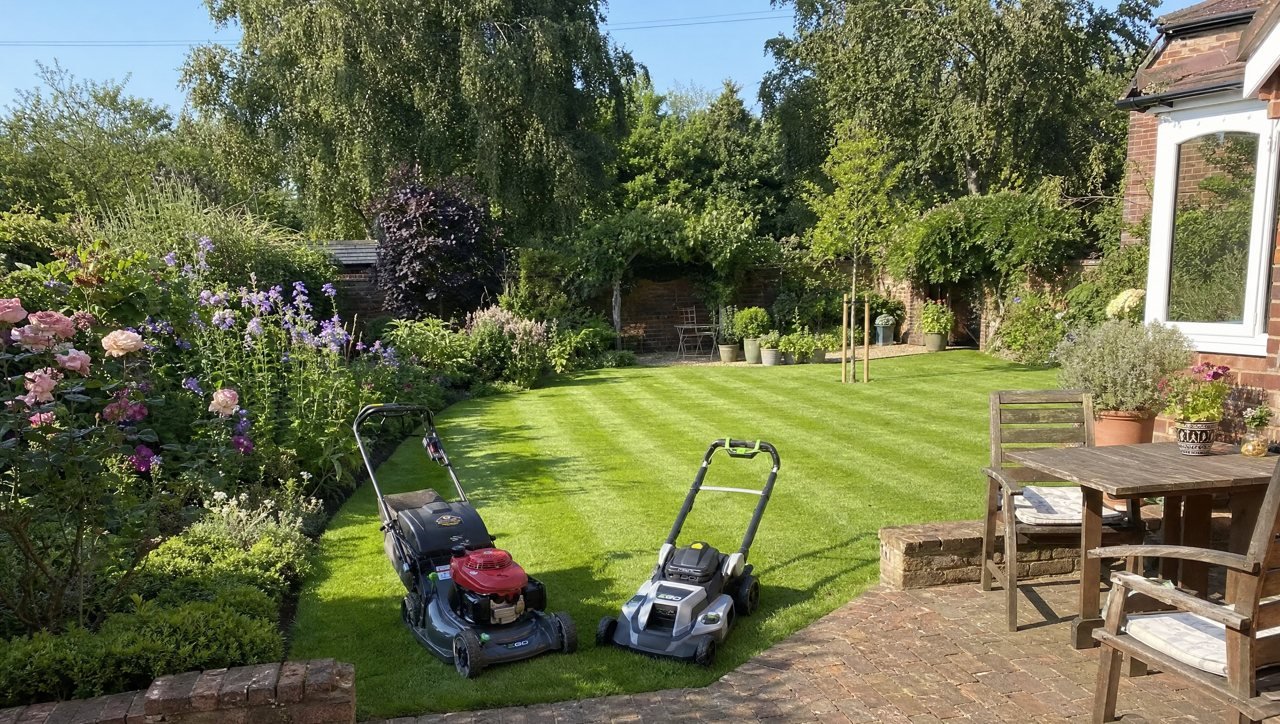
Choosing a new lawn mower used to be simple: you bought petrol for power or electric for convenience, and that was that. Today, battery technology has matured to the point where cordless mowers genuinely rival petrol on many lawns, which makes the decision a little more interesting. The right choice depends on the size and shape of your garden, how much you mow, how much maintenance you are willing to do, and your budget. This guide breaks down the real differences between petrol and battery lawn mowers so you can pick the one that suits your garden, not just the one with the loudest sales pitch.
The quick answer
If you have a small to medium garden, value a quiet and low-maintenance machine, and dislike the faff of fuel and servicing, a modern battery mower is usually the better fit. If you have a large or rough lawn, mow frequently in damp British conditions, or tackle long, thick grass, petrol still holds an edge on sustained power and run time. For very large plots, you may want to skip both and look at a ride-on instead.
That is the headline. The detail below will help you make a confident decision.
Power and performance
Petrol engines deliver consistent, high torque that does not fade until the tank runs low. That makes them well suited to thick, wet or overgrown grass, which UK gardeners know all too well after a rainy spell. A petrol mower will plough through a neglected lawn that a budget cordless model might struggle with.
Battery mowers have closed the gap considerably. Higher-voltage platforms (typically 36V, 40V, 56V or 80V) offer plenty of cutting power for regularly maintained lawns, and brushless motors hold their speed under load. The honest caveat is run time: a single charge typically covers a small to medium garden, after which you wait to recharge unless you have a spare battery. For most suburban lawns that is no issue at all; for sprawling plots it can mean stopping mid-job.
What about cut quality?
Both types produce an excellent finish when the blade is sharp and the deck is matched to your grass. Cut quality is driven far more by blade condition, cutting height and mowing frequency than by the power source. Whichever you choose, keep the blade sharp and avoid removing more than a third of the grass height in one pass.
Running costs and convenience
This is where battery mowers shine. There is no petrol to buy, no oil to change, no spark plugs or air filters, and no carburettor to clog over winter. You charge the battery, press a button and mow. Starting is instant every time, with none of the pull-cord frustration that puts many people off petrol.
Petrol mowers cost more to run and maintain. You will budget for fuel, fresh oil, the occasional service, and end-of-season care such as draining or stabilising the fuel. They reward owners who are happy to do a little upkeep with years of dependable service, but they are not a fit-and-forget machine.
- Battery: higher upfront cost (especially with spare batteries), very low ongoing cost, minimal maintenance.
- Petrol: often lower upfront cost for the power on offer, but ongoing fuel and servicing add up over time.
If you already own cordless tools, check whether they share a battery platform. Buying into one ecosystem means batteries and chargers work across your mower, hedge trimmer and other garden tools, which spreads the cost.
Noise, emissions and your neighbours
Battery mowers are dramatically quieter than petrol. You can mow early on a weekend morning without waking the street, and you often will not need ear protection. There are no exhaust fumes either, which matters in an enclosed garden and is kinder to the environment. For many UK homeowners on closely packed streets, the noise difference alone is the deciding factor.
Petrol mowers are loud and produce emissions, so you should be mindful of when you use them and store fuel safely. If a peaceful, fume-free mow appeals, battery wins comfortably here.
Matching the mower to your lawn
Lawn size and terrain should drive your decision more than anything else.
- Small lawns (up to around 200 sq m): a cordless battery push mower is ideal. Light, quiet and ready in seconds.
- Medium lawns (200 to 600 sq m): battery still works well, ideally with a larger-capacity or spare battery. Petrol is a solid choice if the grass grows thick.
- Large or rough lawns (over 600 sq m): petrol self-propelled mowers offer the run time and grunt you need, though premium battery models are increasingly capable.
- Very large gardens and paddocks: consider stepping up to a ride-on mower, which will save your back and a great deal of time.
Slopes and uneven ground also matter. A self-propelled model, available in both petrol and battery, takes the effort out of pushing uphill. If your lawn is flat and modest in size, a simpler push mower keeps things light and affordable.
Weight, storage and ease of use
Battery mowers tend to be lighter and easier to manoeuvre, and many fold flat for compact storage in a shed or garage. With no fuel on board, there is nothing to leak or smell. Petrol mowers are heavier and need to be stored upright with fuel handled carefully, but that extra mass can help them sit steadily through tough grass.
If storage space is tight, or you want to keep things tidy in a garden shed alongside the rest of your kit, a folding cordless model is hard to beat.
How to make your final decision
Run through these questions and the answer usually becomes obvious:
- How big is your lawn, and is it flat or sloped?
- How often does the grass grow long or get mown when damp?
- Do you want minimal maintenance, or are you happy to service an engine?
- Does quiet, fume-free running matter to you and your neighbours?
- Do you already own cordless tools you could share batteries with?
For the majority of UK homeowners with typical garden lawns, a quality battery mower offers the best balance of power, convenience and peace and quiet. Petrol remains the pragmatic pick for large, demanding or frequently overgrown lawns where uninterrupted run time is essential. Whichever route you take, it is worth browsing a full range of push mowers and reading the deck width and battery specs closely before you buy.
Ready to choose your next mower?
There is no single right answer, only the right mower for your garden. Weigh up your lawn size, your tolerance for maintenance and how much you value quiet running, and you will land on the type that suits you. When you are ready to compare models, you will find petrol and battery options across the Homewkrs.com range, with free UK delivery and 90-day returns so you can buy with confidence. Take a look, match the spec to your lawn, and enjoy a tidier garden this season.