Blog
Gas vs Charcoal vs Pellet BBQ: Which Should You Buy?

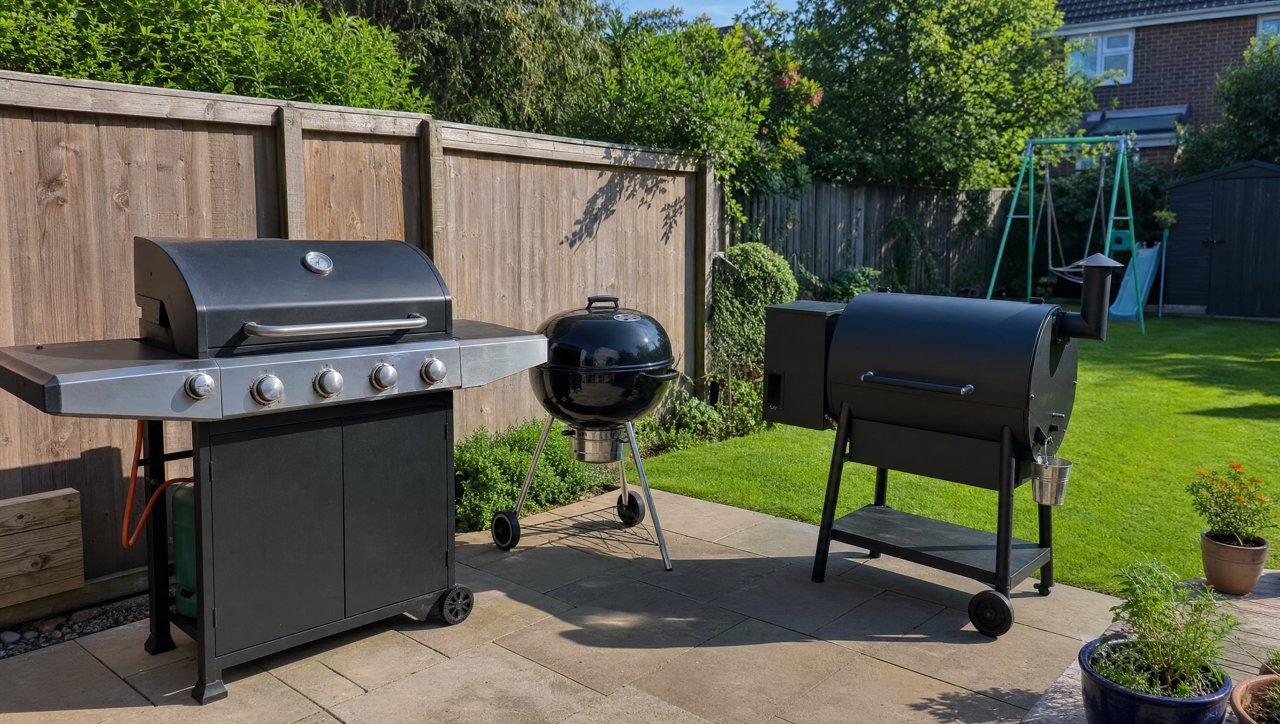
Choosing a new barbecue should be one of the more enjoyable purchases for your garden, yet the decision often stalls on a single question: gas, charcoal or pellet? Each fuel type has loyal fans and genuine strengths, and the “best” choice depends far more on how you actually cook than on any one BBQ being superior. This guide walks through flavour, convenience, running costs, control and the practicalities of a typical British summer so you can pick with confidence rather than guesswork.
The three barbecue types at a glance
Before comparing the finer points, it helps to understand what each type does well in a sentence:
- Gas runs on bottled LPG (propane or butane) and is prized for speed, clean operation and precise heat. Light it, wait a few minutes and you’re cooking.
- Charcoal burns lumpwood or briquettes for that classic smoky char and very high searing heat, at the cost of a longer warm-up and more clearing up.
- Pellet grills feed compressed wood pellets into a fire pot via an electric auger, combining the convenience of a thermostat-controlled oven with real wood-smoke flavour, ideal for low-and-slow cooking.
None of these is a beginner-only or expert-only option. The right fit comes down to your priorities, which we’ll break down below.
Flavour: where each fuel shines
Flavour is the most emotive part of this debate, so it’s worth being honest about what each delivers.
Charcoal is the traditional benchmark for that unmistakable barbecue taste. The intense radiant heat sears meat beautifully and the smoke from drippings hitting the coals creates depth that many cooks consider the gold standard, especially for steaks, burgers and chops.
Pellet grills produce genuine wood smoke from varieties such as oak, hickory or apple, giving outstanding results on slow-cooked joints, brisket, ribs and pulled pork. The flavour is cleaner and more controllable than charcoal but every bit as “real”.
Gas is the most neutral. Modern grills with good heat distribution still produce a satisfying char and you can add a smoker box for wood chips, but purists will tell you it doesn’t quite match charcoal or pellet for smokiness. For everyday family cooking, most people find the difference small.
Convenience and ease of use
This is where gas and pellet pull ahead for busy households.
- Gas is the quickest to get going and the easiest to clean. There’s no ash to dispose of, heat is instant and you can cook on a weeknight without planning around a lengthy warm-up.
- Pellet grills are nearly as hands-off once set up. You choose a temperature on the controller and the unit maintains it, though you’ll need a power supply and to keep the hopper topped up.
- Charcoal asks the most of you: lighting the coals, waiting 20 to 30 minutes for them to ash over, managing the heat by hand and cleaning out ash afterwards. Many people find this ritual part of the pleasure, but it’s a commitment on a tight schedule.
If you want to grill spontaneously after work, gas is hard to beat. If you enjoy the process and have time at the weekend, charcoal rewards the effort.
Temperature control and what you can cook
How you like to cook should heavily influence your choice.
Gas offers dial-in control with multiple burners, letting you create hot and cool zones easily, perfect for cooking different foods at once. Pellet grills go further still, with thermostatic control that holds a low temperature for hours, making them brilliant for smoking and “set and forget” roasting, though they can struggle to reach the very high searing temperatures some grillers want.
Charcoal gives the highest searing heat of all and total flexibility, but managing the temperature relies on your skill with vents and coal placement. It’s the most rewarding for those who like to learn, and the least forgiving for beginners.
Match the BBQ to your menu
- Mostly burgers, sausages and quick midweek dinners: gas.
- Weekend low-and-slow ribs, brisket and smoked joints: pellet.
- High-heat searing, traditional flavour and the full hands-on experience: charcoal.
Whichever direction you lean, you’ll find options across our full range of barbecues to suit the way you cook.
Running costs and value over time
The purchase price is only part of the picture; fuel adds up over a season.
- Charcoal is inexpensive per bag but you get through it, and quality lumpwood costs more than basic briquettes. Costs scale with how often you cook.
- Gas needs a refillable LPG bottle, which represents an upfront outlay but a low cost per cook and very little waste, since you only burn what you use.
- Pellet grills use mains electricity to run the auger and fan plus wood pellets, so there’s a modest standing cost, but pellets burn efficiently and last well for the smoking they’re designed for.
Over several years, gas tends to be the most economical for frequent grilling, while charcoal stays cheapest for occasional use. Pellet sits in between but earns its keep if you smoke regularly.
Safety, storage and the British weather
Practical considerations matter just as much as performance, particularly with our changeable climate.
All three should be used outdoors only, well away from fences, sheds and overhanging foliage. Gas requires a little care with bottle connections and you should check hoses each season, while charcoal produces embers and hot ash that must cool fully before disposal. Pellet grills need a sheltered spot and protection for the electrics.
For year-round use, a fitted cover is a worthwhile investment to guard against rain and frost, and gas or pellet models tend to be easier to fire up on a cool, damp evening. Whatever you choose, consider where it will live: a compact charcoal kettle suits a small patio, whereas a large pellet grill or multi-burner gas BBQ needs room. If you’re upgrading your whole outdoor setup, it’s worth browsing our wider garden and outdoor living range at the same time, and a gazebo or pergola can keep you cooking comfortably whatever the forecast.
So, which should you buy?
There’s no universal winner, only the best match for you. Choose gas if you value convenience, speed and easy cleaning for regular family meals. Choose charcoal if traditional flavour, high-heat searing and the hands-on ritual appeal to you and you’re not in a rush. Choose pellet if you love smoking, slow roasting and consistent, low-effort results with genuine wood flavour. Many keen cooks eventually own more than one, using gas for weeknights and charcoal or pellet for special occasions.
Whichever route you take, the right barbecue turns a simple meal into an event your household will look forward to all summer. At Homewkrs.com you’ll find gas, charcoal, electric and pellet barbecues to suit every garden and budget, with free UK delivery and 90-day returns, so you can choose in your own time and get cooking with peace of mind. Browse our BBQ and outdoor cooking collection whenever you’re ready.