Blog
How to Choose the Right Ride-On Mower for Your Garden

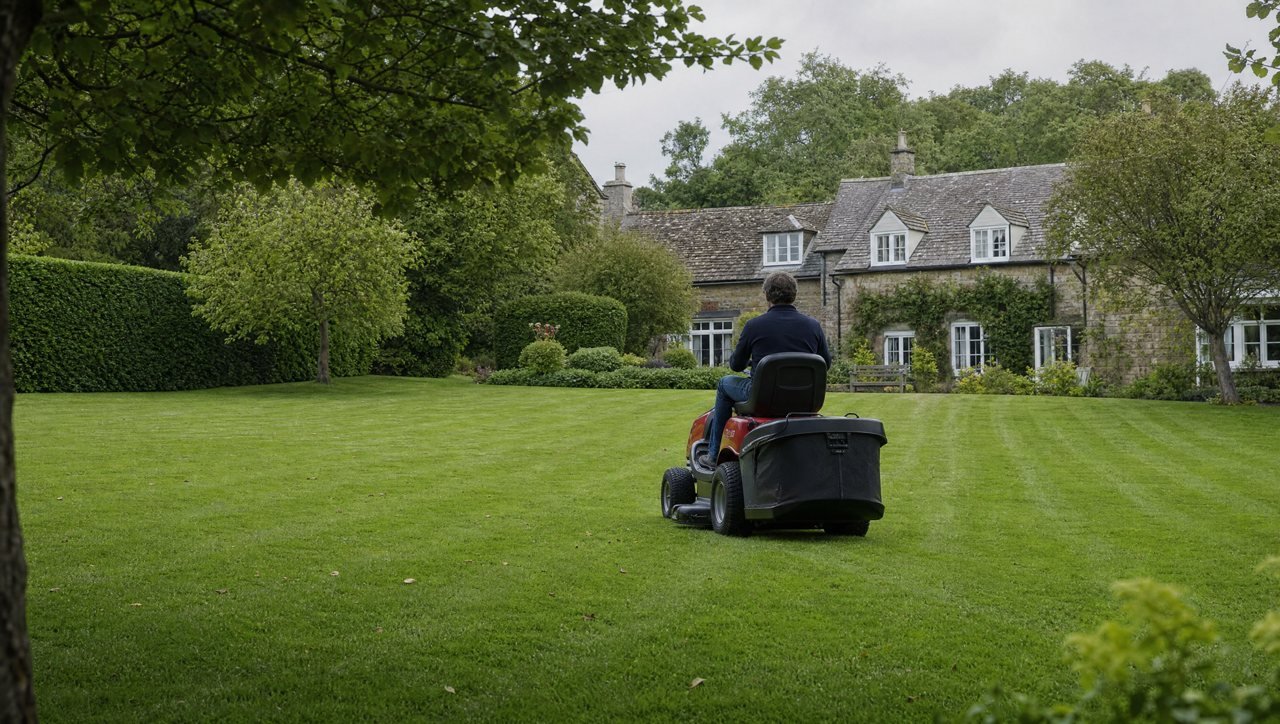
If your lawn has outgrown a push mower, a ride-on can transform a tiresome weekend chore into a quick, comfortable job. But ride-ons vary enormously in size, power and capability, and the right choice depends as much on your garden as on your budget. This guide walks you through the key decisions, from lawn size and deck width to transmission, fuel type and the practical features that genuinely make a difference, so you can buy with confidence.
Do You Actually Need a Ride-On Mower?
Ride-on mowers earn their keep on larger lawns where walking behind a mower becomes impractical. As a rough guide, they start to make sense once your lawn is around a third of an acre or more, or if you have physical limitations that make pushing a mower difficult. For smaller plots, a quality petrol or battery push mower will usually be cheaper, easier to store and perfectly adequate.
Consider a ride-on if you tick several of these boxes:
- You have a large or sprawling lawn that takes more than 30 minutes to cut by hand.
- The ground is mostly open, with room to turn and manoeuvre.
- You want to reduce the time and physical effort spent on garden maintenance.
- You have somewhere dry and secure to store a larger machine, such as a garage or garden shed.
Match the Cutting Deck to Your Lawn Size
The cutting deck is the housing under the mower that holds the blades, and its width determines how much grass you cut with each pass. A wider deck covers more ground in less time, but it also makes the machine larger and harder to steer around obstacles.
As a general rule of thumb for UK gardens:
- Smaller decks (around 70–90cm): ideal for lawns up to roughly half an acre, and easier to navigate around flower beds, trees and narrow gateways.
- Medium decks (around 90–110cm): a versatile choice for many domestic gardens between half an acre and a couple of acres.
- Wider decks (110cm and above): best suited to large, open paddocks and grounds where speed matters more than tight turning.
Don’t simply buy the widest deck you can afford. If your garden has lots of borders, ornamental features or tight corners, an oversized machine will leave more uncut patches and be more frustrating to use.
Lawn Tractor, Rear-Engine Rider or Zero-Turn?
Ride-ons fall into a few broad categories, and understanding the differences helps you narrow your shortlist quickly.
Lawn tractors
The most familiar type, with a front-mounted engine and a mid-positioned deck. They handle slopes and uneven ground well, often tow accessories, and suit medium to large gardens. They’re a sensible all-rounder for most homeowners.
Rear-engine riders
More compact and typically more affordable, with the engine behind the seat. They’re a good entry point for moderately sized lawns where you want the comfort of riding without the bulk of a full tractor.
Zero-turn mowers
Steered with twin levers rather than a wheel, these pivot almost on the spot for exceptional manoeuvrability and speed. They excel on large lawns with many obstacles, though they have a steeper learning curve and tend to cost more.
Petrol or Battery Power?
Fuel type is one of the bigger decisions, and both options have moved on considerably in recent years.
Petrol ride-ons remain the workhorse choice for big jobs. They deliver sustained power for tall or damp British grass, run for as long as there’s fuel in the tank, and refuel in seconds. The trade-offs are routine servicing, engine noise, fumes and the need to store petrol safely.
Battery-powered ride-ons are quieter, cleaner and far simpler to maintain, with no oil changes, spark plugs or air filters to worry about. They’re excellent for noise-sensitive neighbourhoods. The main considerations are run time per charge and the upfront cost, so check that the stated cutting capacity comfortably exceeds your lawn’s size before buying.
If you’re already moving towards quieter, low-maintenance equipment elsewhere in the garden, such as electric bikes or cordless tools, a battery mower can fit neatly into that approach.
Transmission and Drive: Comfort in the Details
How a ride-on transfers power to its wheels affects how relaxing it is to drive.
- Manual transmission: the most affordable, but you change gears yourself, which can be tiresome over a long session.
- Automatic transmission: lets you adjust speed smoothly with a pedal, much like a car, and is far more comfortable for frequent use.
- Hydrostatic transmission: the smoothest option, using fluid to deliver seamless, infinitely variable speed control with no jolts. It’s well worth the extra outlay if you mow regularly or have undulating ground.
If your garden is hilly or uneven, also look for adequate engine power and good traction, as underpowered machines struggle on slopes and damp turf.
Grass Collection: Collect, Mulch or Side-Discharge?
Decide early how you want to deal with clippings, as it influences which model suits you.
- Rear collection: gathers clippings into a bag or box for a tidy finish, ideal for ornamental lawns, though you’ll need to stop and empty it.
- Mulching: chops clippings finely and returns them to the lawn as natural feed, saving time and reducing waste.
- Side-discharge: ejects clippings to the side, which is efficient for long grass and large open areas but leaves them on the surface.
Many ride-ons offer more than one mode, which gives you useful flexibility through the seasons.
Features Worth Comparing Before You Buy
Once you’ve settled on type, size and power, these practical details separate a good purchase from a great one:
- Adjustable cutting heights: more settings let you tailor the cut to the season and grass condition.
- Turning radius: a tighter radius means fewer missed patches around obstacles.
- Comfort: a supportive seat, easy-reach controls and a smooth ride matter more than you’d think on a big lawn.
- Storage footprint: measure your shed or garage doorway before committing.
- Servicing and parts: easy access to the deck and engine makes maintenance far less of a chore.
- Towing capability: handy if you also plan to move a trailer, spreader or other garden equipment.
It’s also worth thinking about how a ride-on fits alongside the rest of your outdoor kit. If you’re building up a well-equipped garden, you might pair it with reliable garden tools or a portable generator for power in parts of the garden the mains can’t reach.
Final Thoughts
Choosing the right ride-on mower comes down to honestly assessing your lawn, your terrain and how often you’ll use it, then matching deck width, transmission, fuel type and collection method to those needs. Buy for the garden you actually have rather than the biggest machine on offer, and you’ll be rewarded with faster, more enjoyable mowing for years to come.
When you’re ready to compare your options, explore the full range of ride-on mowers at Homewkrs.com, where you’ll find quality outdoor equipment with free UK delivery and 90-day returns, so you can choose with complete peace of mind.