Blog
Garden Storage: How to Choose the Right Shed

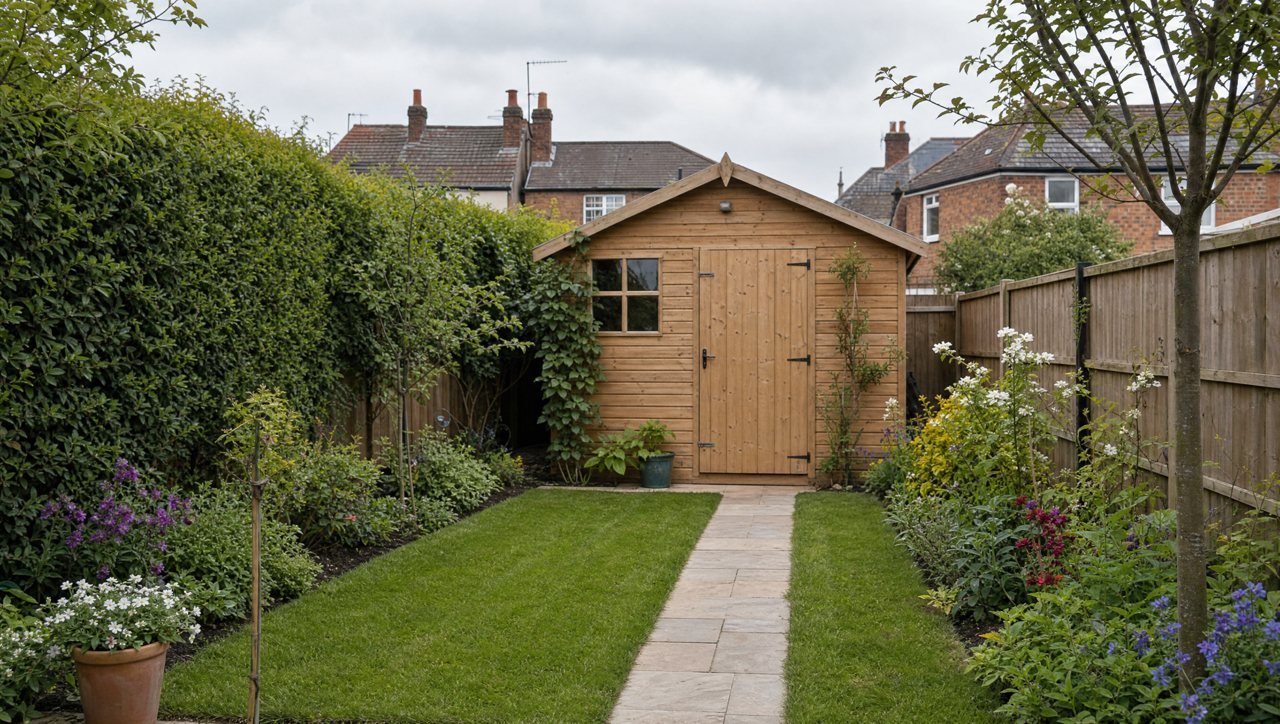
A garden shed is one of those purchases you only really think about when you need it, and then you need it badly. The right shed keeps your lawnmower dry, your tools organised and your patio furniture out of the British weather, while the wrong one becomes a damp, cramped box you regret within a season. With so many sizes, materials and styles on the market, choosing well comes down to matching the shed to how you actually use your garden. This guide walks you through the decisions that matter, so you end up with storage that lasts for years rather than months.
Start with what you need to store
Before you look at a single shed, take stock of what is going inside it. The contents dictate almost everything else, from floor area to door width to whether you need windows or workbench space. Walk around your garden and garage and make a mental (or written) list of the bulkier items.
- Lawn care kit: a push or ride-on mower, strimmer, leaf blower and fuel cans all need floor space and, ideally, room to wheel in and out without a wrestling match.
- Hand and power tools: spades, forks, rakes and hedge trimmers store well on wall hooks, so think about usable wall height, not just floor area.
- Seasonal items: garden furniture cushions, a folded gazebo, kids’ outdoor toys and a barbecue cover often live in a shed over winter.
- Bikes or larger machines: if you plan to store electric bikes or bulky equipment, prioritise a wide double door and a level threshold.
If a ride-on mower is on your list, measure it first and add generous clearance. The same goes for anything you wheel rather than carry. It is always cheaper to buy slightly bigger now than to replace an undersized shed later.
Getting the size right
A common mistake is buying the shed that fits the space rather than the shed that fits the job. As a rule of thumb, work out the footprint of everything you want to store, then add at least a third again for walkways and breathing room. You should be able to reach the back wall without climbing over a mower.
Height matters as much as floor area. A higher eaves and apex give you room for tall tools, shelving and overhead storage, and they make the shed feel far less claustrophobic to work in. If you intend to use the shed as a potting station or small workshop, factor in standing headroom and a clear spot for a bench by a window.
Choosing the right material
The three main choices are timber, metal and plastic, and each suits a different priority.
Timber
Wooden sheds are the classic British choice for good reason: they look natural in a garden, are easy to modify with shelves and hooks, and can be repaired panel by panel. Look for thicker shiplap or tongue-and-groove cladding rather than thin overlap boards, as it sheds rain better and feels far sturdier. The trade-off is maintenance, with a coat of preservative needed every year or two to keep rot and damp at bay.
Metal
Galvanised or powder-coated steel sheds are secure, fire-resistant and need almost no upkeep. They are a strong option for storing valuable equipment, though they offer little insulation and can suffer from condensation if not ventilated, so they suit storage more than a workspace.
Plastic
Modern polypropylene and resin sheds are weatherproof, rot-proof and wipe clean, which makes them ideal for damp corners and low-effort storage. They are lighter and generally less secure than timber or steel, so they are best for garden furniture and tools rather than high-value machinery.
Don’t overlook the foundation
A shed is only as good as the base it sits on, and skipping this step is the fastest route to a rotten floor and a leaning structure. The base must be firm, level and slightly raised so water drains away rather than pooling underneath.
- Paving slabs: a reliable, level option that suits most timber and plastic sheds on reasonably firm ground.
- Concrete: the most durable choice for heavy sheds or anything housing a ride-on mower or workshop kit.
- Plastic grid or timber bearers: quicker to lay and good for lighter sheds, allowing air to circulate beneath the floor.
Whatever you choose, make sure the base is square and a touch larger than the shed footprint, and never set timber directly onto soil or grass.
Security, ventilation and weatherproofing
If your shed will hold pricey machinery or power tools, treat security as a core feature rather than an afterthought. Upgrade the supplied hasp to a sturdy lock, fit a hinge bolt or coach bolts, and consider an internal lock bar for double doors. Frosted or high-set windows reduce the temptation for passers-by to peer inside.
Ventilation keeps the air moving and prevents the trapped condensation that quietly ruins tools and timber. Look for built-in vents or add a couple yourself, and avoid stacking everything tight against the walls. Good felt, an apex or pent roof with adequate overhang, and treated timber all help the shed shrug off our wet winters.
Placement and access
Where you site the shed affects how often you actually use it. Position it on firm, well-drained ground, ideally not in the lowest, soggiest corner of the plot. Leave a gap of a few feet around the structure so you can paint, inspect and re-felt the roof without dismantling fences.
Think about the path to the door too. A clear, hard route makes it far easier to wheel a mower or barrow in and out, and a wider door earns its keep the first time you manoeuvre something bulky. Finally, check your boundary distances and, for very large outbuildings, whether any local planning rules apply before you build.
Bringing it all together
Choosing the right shed is really a series of small, sensible decisions: size it for what you store plus room to move, pick a material that matches your maintenance appetite, build it on a proper base, and don’t skimp on security or ventilation. Get those right and your shed becomes the quiet hero of the garden, keeping everything from your push mower to your garden tools dry, tidy and ready to use.
At Homewkrs.com you’ll find sheds alongside the rest of your outdoor living kit, from gas BBQs to ride-on mowers, all with free UK delivery and 90-day returns. Take your time, measure twice, and choose a shed you’ll be glad of for many seasons to come.