Blog
The Complete Lawn Care Calendar for British Gardens

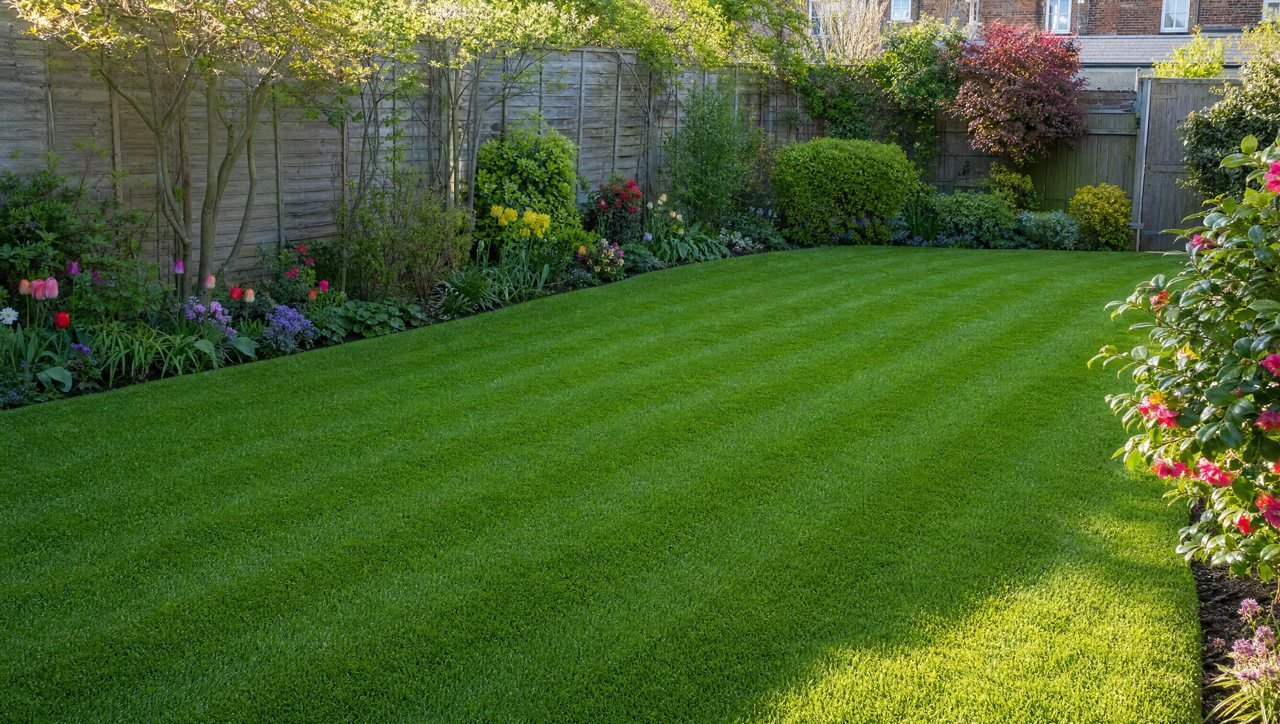
A healthy, hard-wearing lawn rarely happens by accident. In the British climate, with its mild winters, damp springs and unpredictable summers, the secret is doing the right job at the right time rather than working harder. This month-by-month calendar walks you through exactly what your grass needs across the year, from the first cut of spring to the final tidy before frost. Follow it loosely as a guide rather than a rigid rulebook, adjusting for your local weather, soil type and whether you are nurturing a fine ornamental lawn or a robust family space that doubles as a football pitch.
Spring: March to May
Spring is when your lawn wakes up, and it is the most important season for setting the tone for the rest of the year. As the soil warms and growth resumes, your aim is to encourage strong, even regrowth without scalping tender new shoots.
- First cut: Wait until the grass is actively growing and the surface is dry, then mow on a high blade setting to take off only the tips. Drop the height gradually over subsequent cuts.
- Feeding: Apply a spring or summer lawn feed high in nitrogen to drive green, leafy growth. Always follow the dosage on the pack, as over-feeding scorches the grass.
- Scarifying and raking: Rake out the moss and dead thatch that built up over winter so air, light and water can reach the roots.
- Overseeding: Patch bare or thin areas with grass seed once the risk of hard frost has passed, keeping them moist until established.
If your mower has been sitting in the shed all winter, late spring is the moment to give it a service, sharpen the blades and check it over. Browsing our range of push mowers now means you are ready before growth races away from you, and larger plots may benefit from one of our ride-on mowers to cover ground quickly.
Early Summer: June
By June the grass is growing vigorously and you will likely be mowing once or twice a week. This is peak performance season for your lawn, so keep momentum with consistent care.
- Mow regularly but never remove more than a third of the leaf length in a single pass, which keeps the grass strong and resistant to weeds.
- Leave clippings on the lawn occasionally (grass-cycling) to return nutrients, unless the lawn is long or wet.
- Keep mower blades sharp; blunt blades tear rather than slice, leaving ragged tips that brown off and invite disease.
- Tackle broadleaf weeds while they are growing actively and easier to control.
High Summer: July and August
The challenge in midsummer is heat and drought. Brown patches alarm many gardeners, but an established lawn is remarkably resilient and almost always recovers once the rain returns.
- Raise the cutting height: Longer grass shades the soil, retains moisture and stays greener for longer in dry spells.
- Water wisely: If you choose to water, do it deeply and infrequently in the early morning or evening rather than a light daily sprinkle, which encourages shallow roots.
- Accept some dormancy: Letting a lawn go gently brown in a heatwave is perfectly acceptable and far kinder than fighting nature with constant watering.
- Hold off on feeding during prolonged dry weather, as fertiliser without moisture can scorch the turf.
Caring for the wider garden in summer
Summer is also the season your lawn frames everything else, from al-fresco dinners to weekend lounging. A well-kept space is the perfect backdrop for entertaining, so it is worth pairing your mowing routine with the right gas BBQ for relaxed evenings and a sturdy gazebo for shade.
Early Autumn: September and October
Autumn is arguably the second most important season after spring, and the work you do now pays off the following year. Cooler, moister conditions are ideal for repair and renovation.
- Scarify: Remove the season’s accumulated thatch and moss with a vigorous rake or powered scarifier to open up the sward.
- Aerate: Spike compacted lawns with a fork or hollow-tine aerator to relieve compaction and improve drainage before the wet months.
- Autumn feed: Switch to an autumn lawn feed that is low in nitrogen but higher in potassium and phosphorus, which toughens roots for winter rather than forcing soft top growth.
- Overseed: The warm soil and reliable moisture of early autumn make it the best time of year to repair patches and thicken a tired lawn.
Keep mowing as needed but raise the height again as growth slows, and never cut wet grass on saturated ground, as it compacts the soil and rips the turf.
Late Autumn: November
As growth grinds to a halt, your focus shifts from cultivation to tidying and protection.
- Clear fallen leaves regularly. A thick leaf layer blocks light and traps moisture, encouraging disease and killing the grass beneath.
- Give the lawn a final, high cut if it is still growing and the ground is firm and dry.
- Brush away early morning dew and worm casts to discourage moss and fungal problems.
- Service and clean your mower before storing it, draining fuel where relevant and removing caked-on clippings.
Winter: December to February
Winter is a season of rest for both grass and gardener, but a few sensible habits protect your lawn for the spring ahead.
- Stay off frozen or waterlogged grass: Walking on frosted blades fractures the cells and leaves black footprint-shaped scars that linger for weeks.
- Keep the surface clear of debris, garden furniture and toys, which create yellow dead patches if left in place.
- Use the quiet months to plan, order seed or tools, and tackle bigger projects such as levelling, edging or laying new turf in milder spells.
- Check that drainage points and gulleys are clear so winter rain runs off rather than pooling on the surface.
Winter is also the ideal time to prepare other parts of your outdoor space while the lawn sleeps. If you are planning improvements, take a look at our garden sheds for tidier tool storage, and make sure you have a reliable backup power source for the darker, stormier months with a portable generator.
A Few Year-Round Principles
Whatever the month, a handful of habits underpin a great lawn:
- Keep your mower blades sharp and your mower well maintained for clean cuts and reliable performance.
- Mow frequently but lightly rather than rarely and severely.
- Match your feed to the season, with nitrogen-rich feeds in spring and summer and potassium-rich feeds in autumn.
- Address moss and thatch at the root by improving drainage, light and airflow rather than relying on quick fixes.
- Work with the British weather, not against it, and let the lawn rest when conditions demand it.
Stick with this rhythm and your grass will reward you with a thicker, greener and more resilient lawn that looks after itself far more readily than you might expect. The right kit makes every job quicker and more enjoyable, and at Homewkrs.com you will find mowers, garden tools and outdoor essentials to keep your patch in top condition all year, with free UK delivery and 90-day returns for peace of mind. Browse the full range over at our online shop whenever you are ready to get growing.